
SBA Deregulation Strike Force Targets High Cost Rules & Red Tape
- The SBA's Deregulation Strike Force aims to cut excessive regulations that increase costs for small businesses in key sectors like housing, healthcare, and energy.
- Led by the Office of Advocacy under Dr. Casey Mulligan, the initiative includes a Red Tape Hotline where business owners can report problematic federal rules.
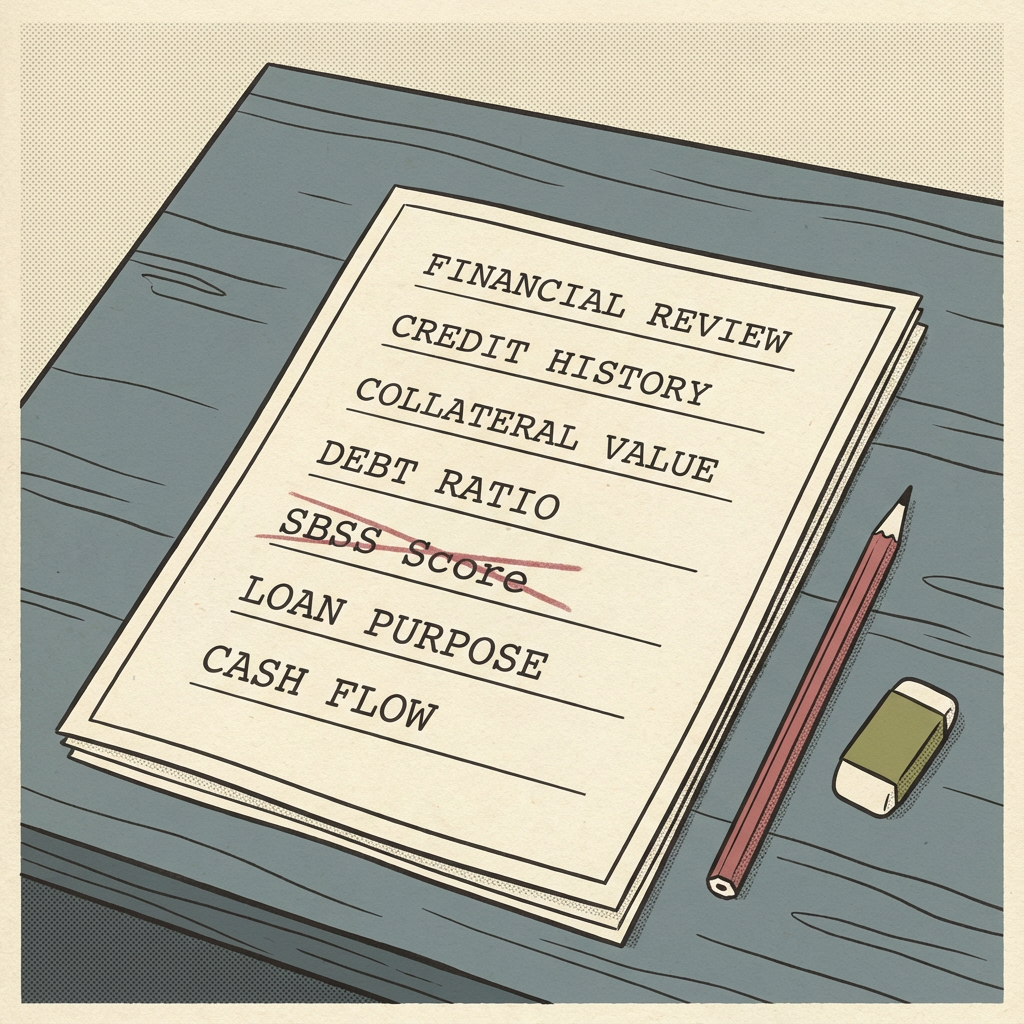
- Reducing regulatory burdens could directly improve SBA loan qualification by lowering project costs, shortening timelines, and strengthening cash flow metrics.
On December 15, 2025, the Small Business Administration (SBA) announced a new initiative called the Deregulation Strike Force, led by SBA’s Office of Advocacy. The SBA says the goal is to coordinate a government‑wide review and roll back excessive regulations Biden‑era rules created.
What is the Deregulation Strike Force?
The Deregulation Strike Force is an SBA‑run regulation triage team: the SBA’s Office of Advocacy will collect feedback from small businesses and push back on regulations it believes impose unnecessary costs. SBA says it has unique authority to do this under the Regulatory Flexibility Act (RFA) and SBREFA.
“Bidenomics brought historic new highs in inflation that crushed working families and small businesses, driven in part by the massive bureaucracy that heaped trillions in new federal regulations onto the backs of hardworking Americans,” said SBA Administrator Kelly Loeffler.
The SBA says the Strike Force will prioritize sectors hit hardest by regulatory cost pressure, particularly where rules flow directly into higher prices for consumers and small businesses:
- Housing & construction
- Healthcare & medical services
- Agriculture & food production
- Energy & utilities
- Transportation & logistics
- Other goods & services (general supply chain / operations)
Office of Advocacy: The SBA Sentinel
Created in 1976 by Congress, The Office of Advocacy is a separate part of the ****SBA whose job is to push back on federal rules that hammer “small entities” and to publish small-business research. That mission now sits under the leadership of Dr. Casey Mulligan, who previously served as Chief Economist on the White House Council of Economic Advisers during the first Trump Administration. Mulligan’s background closely aligns with the administration’s current economic posture: recent prime rate cuts are easing credit conditions for small businesses, and President Trump is expected to nominate a new Federal Reserve Chair next summer to replace Jerome Powell, a move that could further shift monetary policy toward growth and credit expansion.
“This is basically DOGE, but specifically to help Small Business Administration. Since we are already handling a high amount of SBA applications, we have a backlog of feedback from our clients that we will be sending in to the Red Tape Hotline.” - Matthew Elling, CEO of American Capital Group
The Office of Advocacy’s Red Tape Hotline is a direct channel for small business owners to report federal rules that are costly, confusing, duplicative, or slowing down permitting/licensing.
The Deregulation Strike Force builds on a documented expansion of federal regulatory and paperwork burdens over the past several years, which the SBA says have materially increased operating costs for small businesses.
To support the initiative, the SBA points to multiple independent analyses quantifying the scale and economic impact of recent federal regulation.
- The Office of Advocacy described FinCEN’s interim final rule (March 26, 2025) that narrowed BOI reporting requirements, and Advocacy claimed the changes could save small businesses $6.7B in annualized cost savings over 10 years (and $47.3B present value)
- FY 2024: $1.19B in first‑year regulatory cost savings (also described as recurring annually), tied to 13 regs across 8 agencies (AMS, CFPB, DOE, EPA, FTC, FDA, SEC, USCIS). Also: 427 regulators trained; 36 public comment letters; 20 roundtables. (Source)
- FY 2023: $91.3M in estimated cost savings; 46 letters to 27 agencies; 28 roundtables; 9 training sessions for 139 federal officials; 10 SBREFA panels convened. (Source)
How this impacts Small Businesses
Red tape shows up in an SBA loan file as higher project costs, longer timelines, more compliance overhead, and tighter cash flow (aka a weaker DSCR). If the SBA’s Deregulation Strike Force succeeds in trimming the worst of it in high‑impact industries (housing/construction, healthcare, ag/food, energy, transportation, etc.), that can make SBA deals easier to qualify for and easier to execute.
If the SBA’s Deregulation Strike Force succeeds in rolling back high-cost, high-friction rules in sectors like construction, healthcare, agriculture, and energy, the impact shows up directly inside SBA loan underwriting — not as theory, but as math and timelines.
That can translate into:
- Cleaner budgets → less “margin for surprise” (which lenders hate)
- Fewer delays → smoother buildouts, permitting, inspections, and opening timelines
- Better cash flow math → stronger DSCR and more comfort on loan sizing
- Less paperwork drag → fewer last-minute fire drills during underwriting and closing
Whether Washington cuts red tape tomorrow or not, FastWaySBA gets SBA deals closed by controlling what actually matters: Getting you approved.
We:
- Engineer lender-ready SBA packages — clean, complete, defensible, and built to survive scrutiny
- Underwrite the story and the numbers — so your deal clears credit, not just pre-qual
- Navigate real-world friction — permits, licensing, compliance, timelines, and lender trip-wires
- Route your deal to the right capital — 7(a) vs 504, expansion vs acquisition, working capital vs real estate
- Leverage an active national network of SBA banks and non-bank lenders — placing your deal with institutions that actually want your profile
Whether Washington cuts red tape tomorrow or not, FastWaySBA gets SBA deals closed by controlling what actually matters, getting you approved. We build lender-ready SBA packages that hold up under scrutiny, underwrite both the story and the numbers so your deal clears real credit committee review instead of stalling at pre-qualification, and manage the real-world friction that kills deals, including permits, licensing, compliance issues, and timing traps. From there, we place your loan into the right structure and the right capital source, whether that is 7(a) or 504, acquisition or expansion, working capital or real estate, using an active national network of SBA banks and non-bank lenders that are already aligned with your borrower profile.

.svg)

.svg)









.png)